
How Do You Prevent Serious Lawn Damage from Grubs in Ohio?
Published Date: April 29, 2026 | Updated Date: October 13, 2026
Quick Summary:
- Destructive Turf Pests: Grubs are beetle larvae that feed directly on grass roots, leaving turf spongy, dead, and easy to peel back like carpet during late summer and early fall.
- Preventative Timing: Applying preventative grub control early in the warm season stops young grubs before they hatch and destroy your lawn's root system, saving you from costly autumn repair and reseeding.
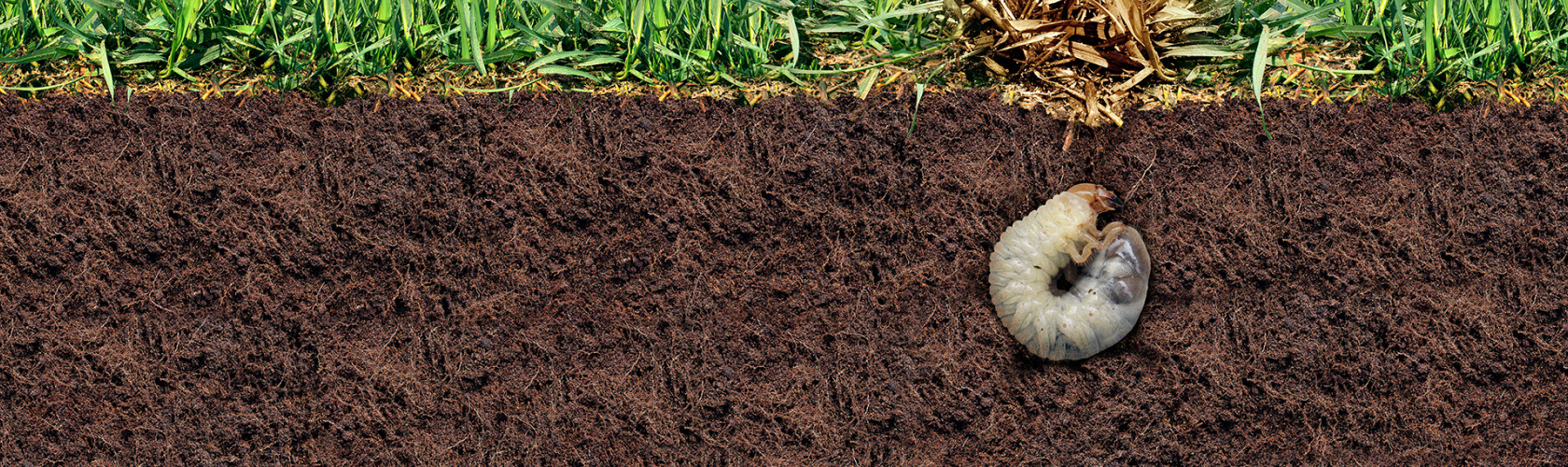
Grubs are one of the most destructive lawn pests in our region of Ohio. Grubs are the larval stage of beetles, and when they hatch in your lawn, they begin feeding on grass roots often leading to anything from irregular brown patches to complete loss of turf in affected areas.
What Are the Key Signs of Grub Damage?
Grub damage often appears suddenly, but warning signs develop below the soil surface first:
- Irregular Dead Patches: Brown or yellow patches appear in late summer or early fall, even on well-irrigated lawns.
- Turf Lifting Easily: Affected grass peels back easily from the soil like a loose rug because the root system has been eaten away.
Spongy Feel: A soft, spongy texture when walking across your yard indicates early root destruction underneath.
Why Does Timing Matter for Grub Control in Ohio?
Ziehler Lawn Care applies preventative grub control early in the warm season when adult beetles emerge from the soil and begin laying eggs.
Those eggs typically hatch within two weeks in favorable summer conditions. By late summer and early fall, grubs reach their most active stage, feeding aggressively on turf roots and causing severe visible damage. As autumn temperatures drop, grubs burrow deeper into the soil to overwinter before restarting the cycle in spring.
Why Is Prevention Better Than Lawn Repair?
Once grub damage becomes visible on the surface, your turf has already suffered major root loss. At that point, bringing the lawn back requires extensive reseeding, soil repair, and additional treatments.
Lawn repair is far more costly and time-consuming than prevention. Stopping grubs before they hatch is the most effective way to protect your lawn's root system and maintain healthy, thick turf.
How Does Ziehler Lawn Care Handle Grubs?
A Ziehler Lawn Care specialist evaluates problem areas, assesses grub activity, and applies targeted preventative treatments to protect long-term turf health across Dayton, Cincinnati, and Columbus. Our preventative approach stops grubs before damage starts.
Frequently Asked Questions About Grub Control in Ohio
When do grubs do the most damage to Ohio lawns?
Grubs cause the most severe root damage in late summer and early fall (August through October) as newly hatched larvae feed aggressively before moving deeper into the soil for winter.
How do I test if my lawn has grubs?
Grasp a section of brown or dying grass and pull upward. If the turf lifts up easily like a loose piece of carpet with no intact roots underneath, grubs are likely feeding in that area.
Can a lawn recover from grub damage on its own?
No. Once grubs destroy the root system, damaged grass dies and cannot reattach. Affected areas require grub treatment to stop further feeding.
Protect your lawn’s root system before damage occurs. Learn more about our grub control services, or call Ziehler Lawn Care today at 937-907-1777 or request your free quote online to get started!