
Sections
Grub Control

Grub Control
To Keep Lawns Healthy and Prevent Turf Damage

Text

THE PROCESS

Our Approach to Prevent White Grub Damage
Grub Control
Step 1
A Single Visit Service in Spring or Summer

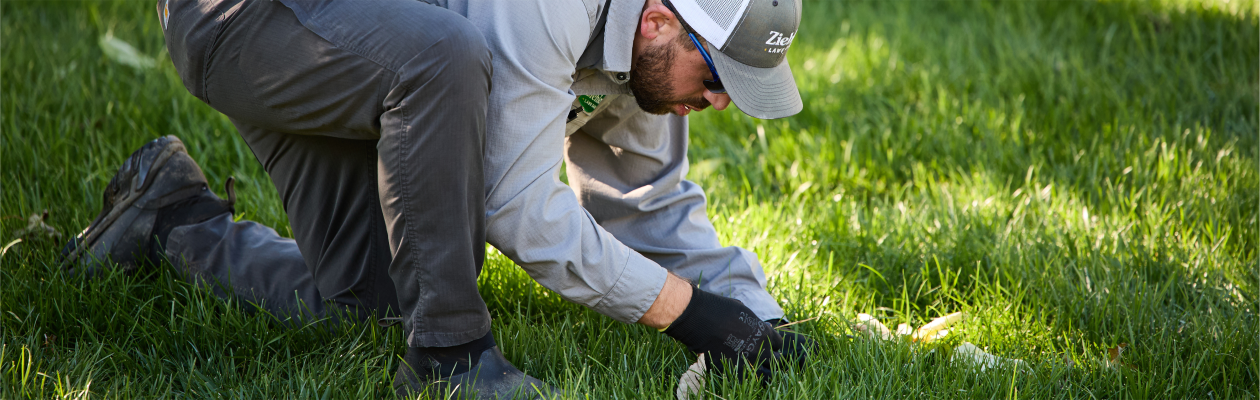
To curb white grub populations, we apply an anti-grub solution at the start of the warm seasons. This prevents populations from expanding and eating away at healthy lawns. 

Step 2
A Tried and True Solution

We use a season-long solution to control grub populations so you can apply once, then enjoy your lawn worry-free.

Step 3
A Damage-correction Guarantee

While rare, if damage does occur after a treatment, we will reseed the area at no cost to you.

Text

THE BENEFITS

Prevention and Protection Go Hand in Hand

Grub control is more than insect prevention. Lawns treated for grubs are more likely to be:

Text
  • Thick and green, with fewer to no brown or bare spots that need reseeding
  • More cost-effective to maintain, as repair can be more costly than prevention
Text
  • Less damaged by predators like skunks, raccoons, birds, and voles that actively hunt grubs and will dig up root systems to find them

    Frequently Asked Questions About Grub Control

  • What are signs of grub damage?
    Text

    Common signs of grub damage include brown patches that don't improve with watering, grass that pulls up easily like carpet, and increased digging from skunks, raccoons, or birds searching for grubs. White grubs feed on grass roots, which can weaken or kill your lawn.

  • What is a grub?
    Text

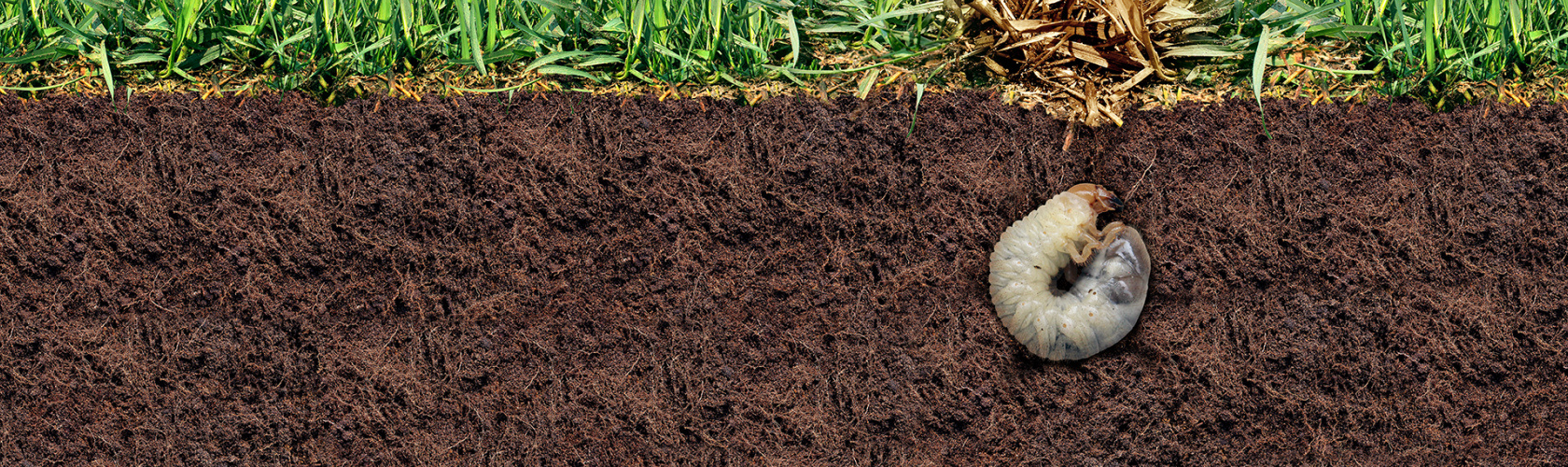
    A grub, also known as a white grub, is the larval stage of certain beetles that live in the soil and feed on grass roots. These small, white, C-shaped insects can damage your lawn by weakening the root system, making it harder for grass to absorb water and nutrients. When grub populations become too high, they can lead to thinning turf, brown patches, and grass that pulls up easily. 

  • When is the best time to apply grub control?
    Text

    The best time to apply preventative grub control is in late spring through summer, before newly hatched grubs begin feeding on your lawn's roots. Preventative treatments are more effective than waiting until damage appears.

  • How do I prevent grub damage in my lawn?
    Text

    The best way to prevent grub damage is through preventative treatments applied before grubs begin feeding on grass roots. Preventative grub control helps protect your lawn before visible damage occurs.

Text

Learn More About Our Services and Programs