
Why Spring Is the Most Important Time for Weed Control in Ohio?
Published: April 7, 2026 | Updated: October 13, 2026
When it comes to lawn care, spring sets the tone for the entire season. Across Dayton, Cincinnati, and Columbus, homeowners are starting to see dandelions, clover, chickweed, and crabgrass appear. While it may feel early, these weeds have been developing below the surface for weeks. If weed control isn’t established in spring, problems only multiply heading into summer.
Quick Summary:
Soil Temperature Trigger: Weeds begin sprouting underground when soil hits 50–55°F—often before your grass fully greens up.
Proactive Defense: Combining early spring pre-emergent, post-emergent spot treatments, and custom fertilization stops crabgrass and broadleaf weeds before they spread, setting your lawn up to handle summer heat.
Why Do Weeds Start Growing Before Lawns Fully Green Up?
Weed germination is triggered by soil temperature, not air temperature.
Once the soil consistently reaches 50–55 degrees Fahrenheit, weed seeds begin actively germinating, often before cool-season turf grass fully wakes up from winter dormancy. By the time weeds become visible above the surface, their root systems are already established and competing with your grass for essential soil nutrients, water, and sunlight. Early spring treatment prevents small issues from becoming widespread infestations.
How Does Ohio's Spring Weather Accelerate Weed Growth?
Our region’s spring conditions including frequent rain, mild temperatures, and increasing daily sunlight create an ideal environment for weeds to thrive across Dayton, Cincinnati, and Columbus. Without proactive weed control, dormant seeds quickly germinate, multiply, and spread across your yard.
Why Do Strong Spring Lawns Stand Up Better to Summer Stress?
Summers in Ohio bring high heat, humidity, drought stress, and heavy insect activity. Lawns that enter summer thin and overrun by weeds struggle significantly more to recover.
Spring fertilization combined with targeted pre-emergent and post-emergent weed control strengthens roots, thickens grass blades, and eliminates bare spots where weeds try to invade.
Why Is Prevention Easier Than Late-Season Repair?
Once weeds mature, they produce thousands of seeds and their root systems deepen into the soil:
- Pre-Emergent Applications: Stop aggressive annual weeds like crabgrass before they sprout.
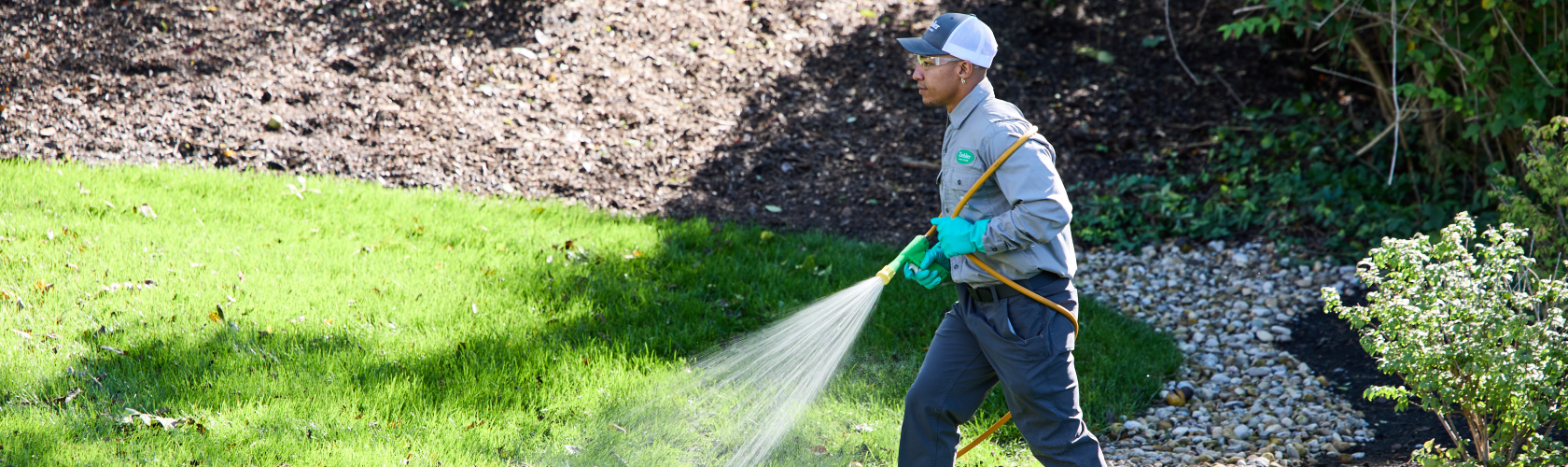
- Post-Emergent Applications: Eliminate early broadleaf weeds like dandelions and clover before they can spread.
Waiting until late spring or mid-summer often means playing catch-up.
Frequently Asked Questions About Spring Weed Control
When should I apply pre-emergent weed control in Ohio?
Apply pre-emergent weed control in early to mid-spring when soil temperatures consistently reach 50–55°F across Dayton, Cincinnati, and Columbus.
Is it too late to get treatment if I already see weeds in my yard?
No. Targeted post-emergent treatments effectively remove existing weeds, but combining post-emergent with early pre-emergent protection provides the best long-term control.
What is the difference between pre-emergent and post-emergent weed control?
Pre-emergent treatments create an invisible barrier in the soil to stop weed seeds from sprouting. Post-emergent treatments target and eliminate active weeds that have already emerged above the soil line.
Take Control of Spring Weeds Before They Take Over
The sooner you act, the easier weed control becomes. Ziehler Lawn Care provides professionally timed pre-emergent applications, targeted weed treatments, and fertilization programs designed specifically for Ohio lawns.
Don’t spend summer fighting weeds! Start a Lawn Care plan and enjoy a thicker, greener, healthier lawn all season long.
Call Ziehler Lawn Care today at 937-312-9575 or request your free quote online to get started before weeds take over!